




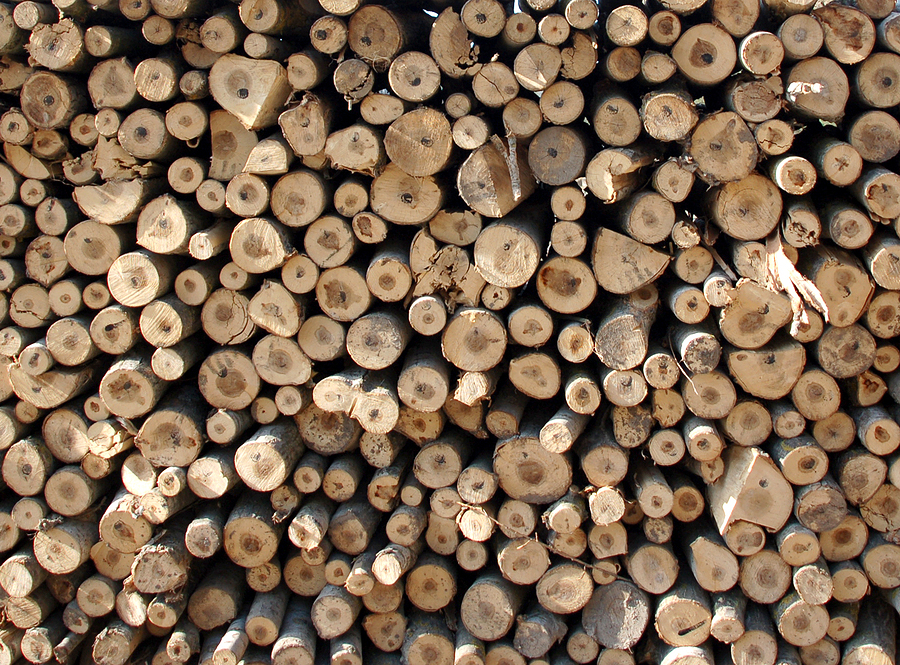
The EU's revised Renewable Energy Directive (RED III) has embedded the cascading principle into binding law, mandating that woody biomass be used "according to its highest economic and environmental added value"—a shift that is reshaping investment and subsidy strategies across Europe's bioenergy sector.
From 31 December 2026, there will be no financial support for electricity from woody biomass produced in electricity-only installations, except in regions identified in territorial just transition plans.
Simultaneously, financial support is being restricted for "industrial-grade roundwood", a term encompassing all roundwood including pulpwood, except where material is unsuitable for higher uses.
The principle is straightforward in theory: prioritise material use. Durable wood products—flooring, structural timber, wood-based panels, construction elements—should be the first destination for commercially valuable forest biomass.
Energy production is permitted only when no higher economic or environmental alternative exists.
But implementation is proving complex. Member States had until May 2025 to transpose RED III, and only two countries had done so by the deadline; as of April 2026, several countries still had not completed transposition, with some realistically expecting to finish only in 2027.
The cascading principle itself is left deliberately flexible. Member States must regulate cascade utilisation at national level and enforce it through targeted incentive mechanisms, with exceptions allowed in cases of quantitative or technical limitations where no higher economic or environmental value can be achieved than through energy use.
No unified EU implementing act has yet been published.
This asymmetry is creating immediate tensions. Biomass fuels may no longer be sourced from High Conservation Value areas—ecologically important protected areas such as primary forests, peatlands, and species-rich grasslands—narrowing available feedstock.
At the same time, energy producers face subsidy cliffs and uncertain rules about which biomass streams qualify for support.
The wood panel industry supports cascading in principle, as it protects material use of wood for products while ending subsidies for burning primary woody biomass for energy. But pulp and paper producers, which have historically relied on bioenergy to power their operations, face pressure as their biomass-for-energy calculus shifts.
For biomethane and biogas producers, the cascading principle is less immediately disruptive—these sectors typically use residues and waste streams already unsuitable for material recovery. But for solid biomass-fired power plants and heat plants, the next 18 months will define viability.
Member States are still drafting national rules. Until they publish implementing legislation and subsidy mechanisms, investors face genuine uncertainty about asset values and project bankability heading into 2027.